
Collecting Australian Landscape Artists Paintings: What to Look For
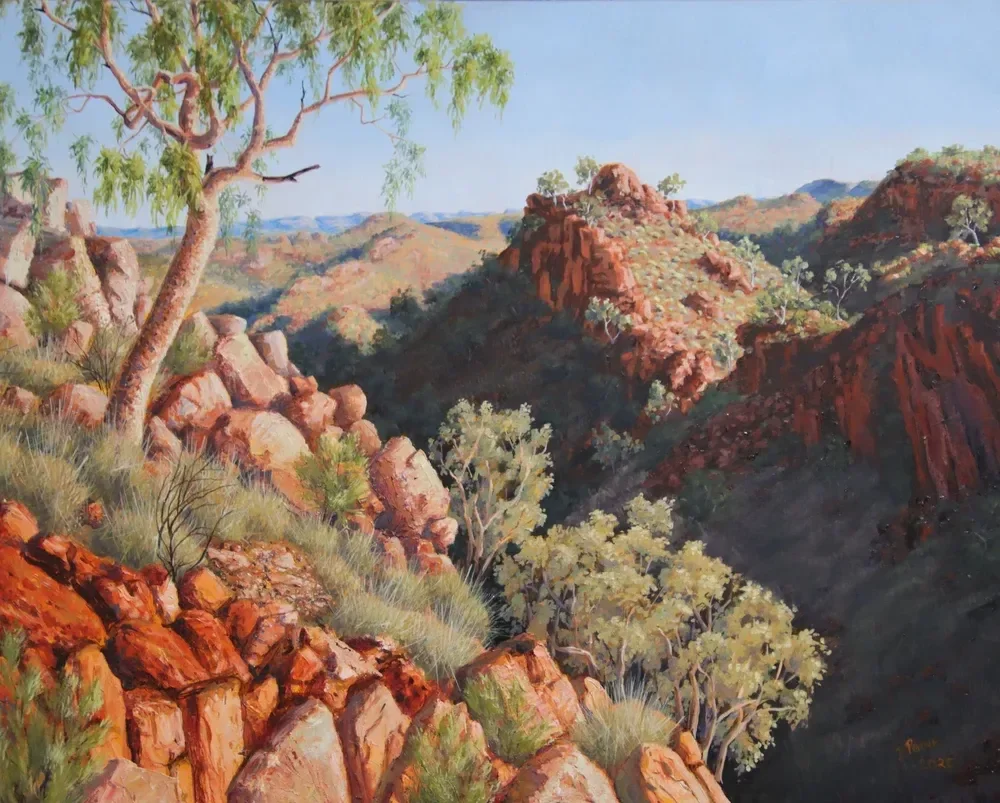
Collecting Australian landscape artists' paintings is more than acquiring visual beauty — it is about owning a connection to place, memory, and the emotional language of the land. Australia’s landscapes are vast, varied, and deeply symbolic, and the artists who interpret them bring personal perspective, technique, and lived experience into every work.
Whether you are a first-time buyer or an established collector, knowing what to look for will help you choose artworks that resonate personally, hold lasting value, and integrate meaningfully into your space. Drawing on the philosophy and practice behind the works this guide explores the most important elements to consider when collecting Australian landscape art.
Understanding the Artist’s Relationship With the Land
One of the most important things to look for when collecting Australian landscape artists' paintings is the artist’s relationship with their subject matter. Landscapes painted from lived experience often carry a depth that goes beyond visual accuracy. They reflect time spent observing light changes, weather patterns, textures, and emotional responses to place.
Artists who regularly immerse themselves in the environment they paint develop an intuitive understanding of the land. This connection often reveals itself through confident mark-making, thoughtful composition, and an ability to convey atmosphere rather than simply depict scenery. When viewing a painting, ask yourself whether it feels observed or experienced.
A strong personal connection between artist and landscape adds authenticity and emotional longevity to the work — qualities that collectors consistently value.
Composition and Sense of Space
Australia’s landscapes are defined by space — wide horizons, open skies, and rhythmic expanses of land. Effective landscape paintings capture this sense of scale without overwhelming the viewer.
When assessing composition, look at how the eye moves through the painting. Strong Australian landscape artists use pathways of light, directional brushwork, or natural forms such as trees, ridgelines, or watercourses to guide visual flow. Balanced compositions feel grounded yet expansive, offering both stillness and movement.
Negative space is also crucial. In Australian landscape art, what is left unsaid can be as powerful as what is detailed. Paintings that allow breathing room often evoke calm, contemplation, and a deeper emotional response.
Use of Colour and Light
Light is one of the defining features of the Australian environment, and its interpretation varies significantly between artists. Some focus on the sharp clarity of midday sun, while others explore softer transitions at dawn or dusk.
When collecting Australian landscape artists' paintings, consider how colour is used to convey temperature, mood, and time of day. Earthy ochres, muted greens, soft blues, and layered neutrals often reflect the subtleties of the land rather than exaggerated hues.
Look for harmony rather than intensity. Paintings that balance colour relationships tend to age well visually and emotionally, making them suitable for long-term display in both private and professional spaces.
Technique, Texture, and Materials
The way a painting is made matters as much as what it depicts. Brushwork, layering, and surface texture reveal the artist’s process and confidence.
Some collectors are drawn to expressive, gestural techniques that emphasise movement and emotion. Others prefer refined surfaces with subtle layering that invite closer inspection. Neither approach is superior — what matters is consistency and intentionality.
Quality materials also play a role in longevity. Professional-grade paints, archival supports, and thoughtful finishing ensure that the artwork maintains its integrity over time. When investing in original landscape art, craftsmanship should always be considered alongside aesthetics.
Emotional Resonance and Personal Connection
Perhaps the most overlooked — yet most important — factor in collecting Australian landscape artists paintings is emotional response. A painting should evoke something personal, whether that is familiarity, calm, nostalgia, or quiet energy.
Art that resonates emotionally tends to remain relevant long after trends change. It becomes part of daily life, influencing how a space feels rather than simply how it looks.
When choosing a piece, spend time with it. Ask whether it holds your attention, whether it invites reflection, and whether it aligns with how you want your environment to feel.
Originality and Artistic Voice
In a landscape genre rich with history, originality is not about reinventing the land but about interpreting it honestly. Look for an individual voice — a recognisable approach to colour, composition, or mark-making that distinguishes the artist’s work from others.
An authentic artistic voice develops over time and is often visible across a body of work rather than a single piece. Collectors who follow an artist’s journey often find deeper satisfaction in acquiring works that reflect continuity and growth.
Original paintings, rather than reproductions, offer uniqueness and presence that cannot be replicated. They carry the physical energy of the artist’s hand, making them deeply personal acquisitions.
Scale and Placement in Your Space
Before purchasing, consider where the painting will live. Australian landscape art often benefits from space around it, allowing the composition and atmosphere to unfold naturally.
Larger works can anchor a room and create a sense of openness, while smaller pieces invite intimacy and close engagement. Consider lighting conditions, wall colour, and viewing distance to ensure the artwork is experienced as intended.
Choosing a painting with its future placement in mind helps ensure it becomes an integrated part of your environment rather than a temporary addition.
Collecting With Intention
Collecting Australian landscape artists' paintings is a personal journey. While investment value and aesthetics matter, intention ultimately shapes a meaningful collection. Seek works that reflect your connection to the land, your values, and your sense of place.
Artists like Rowena Paine Murphy create landscape paintings that are grounded in observation, emotion, and respect for the natural environment. Such works are designed not just to be seen, but to be lived with — quietly enriching the spaces they inhabit.
A thoughtfully chosen landscape painting becomes more than art on a wall. It becomes a visual anchor, a daily reminder of nature’s presence, and a lasting expression of Australia’s unique and powerful landscapes.
